The End of Oak Street
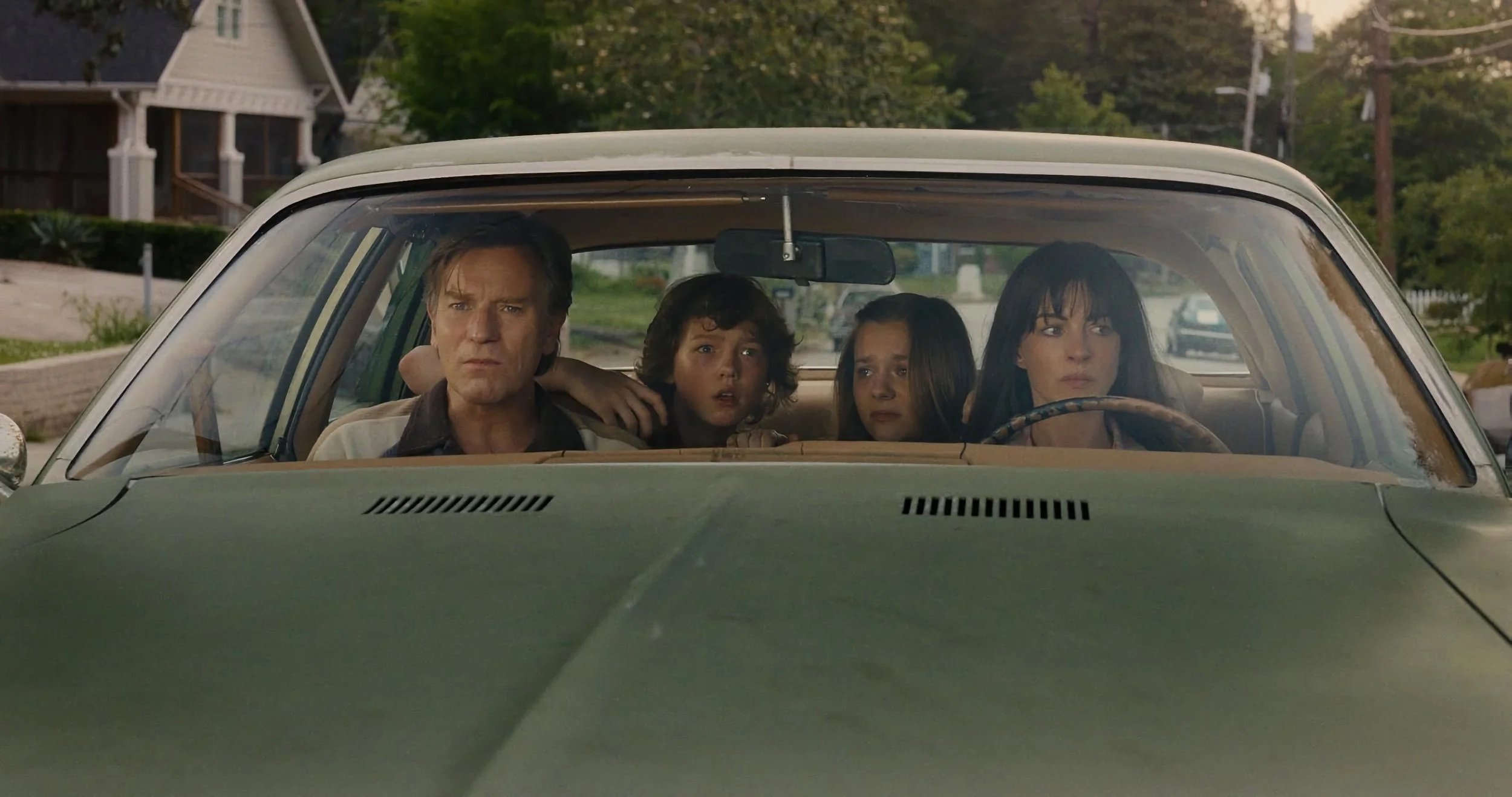
The problem with big reveals is that the success of the story hinges on one surprise. If it works, like The Matrix (1999), it’s rewarding. If it doesn’t work, the twist feels like a gimmick.
The End of Oak Street was marketed with a trailer that hints at a big revelation, but the surprise isn’t the science fiction plot. So, this isn’t a ‘big reveal story’, like The Matrix (1999) or The Island (2005). This is a straightforward ordinary family survives a challenging science fiction nightmare.
Director David Robert Mitchell has given us some excellent films: The Myth of the American Sleepover (2010), a charming coming-of-age indie-style film, It Follows (2014) a cracking low budget horror, and Under the Silver Lake (2018) a quirky and off-beat homage to Film Noir. The End of Oak Street could have gone in a different direction. It could have been something more like Leave the World Behind (2023), an ‘Independent movie’ style production, which relies on atmosphere and the power of suggestion. Instead, it’s gone in a more mainstream ‘Hollywood summer blockbuster’ direction, like Jurassic Park (1993). As a result, the charm of his earlier films has given way to special effects and action sequences. This film is a homage to 1980s style sc-fi movies featuring an ordinary family thrust into a challenging situation. Typically, the arguing kids and parents learn to work together and harmony is restored. The End of Oak Street has remixed that with some bad poop jokes and an incongruous girlboss vibe, and without the harmonising resolution.
The power of storytelling comes from entertaining and delighting the audience by reinforcing or contradicting their expectations. The girlboss of Furiosa: A Mad Max Saga (2024) can implausibly fight men twice her size. A skinny teenager can become a superhero with incredible powers… Spider-Man. The problem with The End of Oak Street is that it opts for a surprise character switch. In order to conceal the surprise the true nature of the characters cannot be foreshadowed properly.
As a result, the father is set up as the classic ‘nobody’ who transforms into a hero… but it turns out that he’s just a pathetic loser. While the mother takes on the unlikely girlboss role. Because the switch is supposed to be a surprise, it can’t be signalled to the audience in advance. The issue with these kinds of revelations is that the entire script has to make sacrifices for them to work. The costs can outweigh the benefits. The father’s role is set up only to be subverted later on, breaking the story promise. The story promise is that when the audience invests time in a character it shouldn’t feel pointless. There should be some kind of payoff later on. Without that, the audience will leave feeling disappointed. A similar thing happened in Blade Runner 2049 where the audience spent almost the entire film rooting for a character (who they thought would be the hero), only to be surprised by the revelation that he was a loser, a cog in someone else’s story. Emotionally investing in that character felt humiliating, like a bad bet.
There’s another revelation (in the style of 2013’s Oblivion) at the end of The End of Oak Street. This feels like an attempt to remedy the broken story promise. It isn’t given emotional significance and comes too late in the story. The end result lacks cohesion and concludes without a sense of balance having been restored to the story world.