Posts
The stories I’m reading and watching
The American Hero
Heroes, anti-heroes, and superheroes.
The classical hero fights monsters and restores balance to the world. The modern version of the classical hero is the idealised protagonist who sacrifices their safety to fight the bad guys (the modern equivalent of monsters). The bad guys – criminals, gangsters, thieves, murderers, terrorists – use violence to gain money and power. Their actions create suffering and injustice. The idealised protagonist is motivated by a sense of duty and moral obligation to protect the innocent from the guilty.
America is a ‘can do’ society. It’s a place where people admire those with the ability to shape the world around them. The American hero reflects that ‘can do’ attitude, the ‘pioneer spirit’, and notions of the ‘rugged individual’. By the start of the Twentieth Century the myth-making of the Old American West merged with the European influence of folk heroes like Robin Hood and stage / literary heroes like The Scarlet Pimpernel (1905). This synthesis led to the creation of American heroes that featured in pulp magazines, newspaper comic strips, radio plays, theatrical serials, and movies.
The masked aristocratic vigilante, Zorro (a product of the Spanish Empire and the inspiration behind Batman) first appeared in The Curse of Capistrano (1919), in the pulp magazine All-Story Weekly. Tarzan, the son of British aristocrats, first appeared in the story Tarzan of the Apes (1912). The interplanetary adventurer John Carter, created by Edgar Rice Burroughs, was a ‘home grown’ American hero. He first appeared in the pulp magazine series Under the Moons of Mars (1912).
The popularity of theatrical serials peaked in the 1930s. The serials included updated versions of John Carter – the space adventurers Flash Gordon, and Buck Rogers (both originated from newspaper comic strips). The theatrical serials offered excitement and escapism for the masses. While aristocratic heroes felt ‘old world’, the science fiction of space could feel both new and ‘American’. The theatrical serial, The Phantom Empire (1935), combined the Western with Science Fiction. It featured singing cowboys, a fedora wearing robot, and a futuristic underground city.
The upbeat tone of the 1920s, the Jazz Age, changed with The Great Depression of the 1930s. The 1930s gangster movies created another uniquely American story after the Western. These movies portrayed an America of idealised protagonist cops fighting flawed gangster baddies. The violence echoed the real world. The gun-toting gangster terrified and fascinated audiences.
During the 1940s and the Second World War, the American hero was duty bound to fight for the nation. Marines and cowboys restored law and order to the world. In parallel, the cartoon-like simplicity of the gangster movie was replaced by Film Noir whose protagonists reflected the cynical atmosphere, but with more nuanced characters. These flawed individuals were ordinary people. They were often victims of crime and social manipulation, male characters tricked by femme fatales.
The 1950s saw a continuation of patriotic War Movies, Westerns, escapist musicals, and comedies. For many viewers, these increasingly felt increasing commercial and detached from reality. The men who had returned from the war were not cardboard cutout heroes and their children often grew up feeling alienated and angry. The origins of the counterculture began with the post-war Beat Generation and 1950s Beatniks.
In the 1960s and 70s, the counterculture went mainstream. It questioned assumptions about American society. Counterculture stories featured flawed protagonists, often labelled ‘anti-heroes’. Instead of actively changing the world about them, these flawed protagonists were more likely to be victims of circumstance and unable to escape their own limitations. In films like The Graduate (1967) this was used for comic effect and to make a wider social comment about society. Benjamin Braddock did eventually manage to change his world, so he wasn’t completely passive. In cop movies, like Serpico (1973), Frank Serpico had to deal with systemic corruption. A cultural switch took place in the slowly dying Western genre. Revisionist Westerns portrayed the once heroic cowboy as the aggressor and Native American Indians as innocent victims.
After the oil shortages and the economic shocks of the 1970s, the American hero learned to be a survivor. The cops became tougher, coping with a rotten bureaucratic system that didn’t care about truth or justice. Inspector Harry Callahan, in Dirty Harry (1971), fought serial killers while being held back by ‘the system’. The American hero became a survivor of the Cold War in films like the Omega Man (1973), living in a post-apocalyptic city and fending off mutants. There was the disaster movie, films like The Poseidon Adventure (1972 film) and The Towering Inferno (1974) where the coolheaded hero had the skills to lead and survive. By the end of the 1970s, the economy began to pick up. The audience wanted something upbeat and optimistic, and they found it with Star Wars (1977). But there was still a lingering distrust of the system in films like Alien (1979).
In the 1980s, the stock market boomed and the nation regained its confidence. Hollywood responded with the comic big action hero. This new breed of wisecracking American hero thrilled audiences and made them laugh in films like Raiders of the Lost Ark (1981), Back to the Future (1985), and Crocodile Dundee (1986). There were buddy moves like Beverly Hills Cop (1984) and Lethal Weapon (1987). There were situational comedies like Honey, I Shrunk the Kids (1989) and Twins (1988).
The economic downturn of the 1990s made people question the system again. The screen heroes reflected a mood of uncertainty. The disaster movie returned with Titanic (1997), Jurassic Park (1993), and Apollo 13 (1995). There were technological dystopias like Strange Days (1995) and The Matrix (1999) which questioned the nature of reality. The tone continued to darken with films like The Sixth Sense (1999) and American Beauty (1999). David Fincher’s Seven (1995) personified the 90s with two protagonists who faced insurmountable horrors and were never fully in control.
The 2000s saw the rise of the big IP franchise in films like Avatar (2009), a revisionist Western in space, Pirates of the Caribbean: The Curse of the Black Pearl (2006), Harry Potter and the Philosopher’s Stone (2001), and The Lord of the Rings: The Fellowship of the Ring (2001). The Dark Knight (2008) took the darkness and realism of Seven and combined it with a classic comic strip hero. The superhero origin story became a template for the massive superhero revival.
The big IP franchises of the 2000s would go on to power the 2010s along with comic strip superheroes. There were reboots of classic movies, like Star Wars, Jurassic Park, and Mad Max. They increasingly featured a girlboss lead in films like Mad Max: Fury Road (2015). Spider-Man was rebooted in 2002. While not especially American, James Bond was rebooted in Casino Royale (2006).
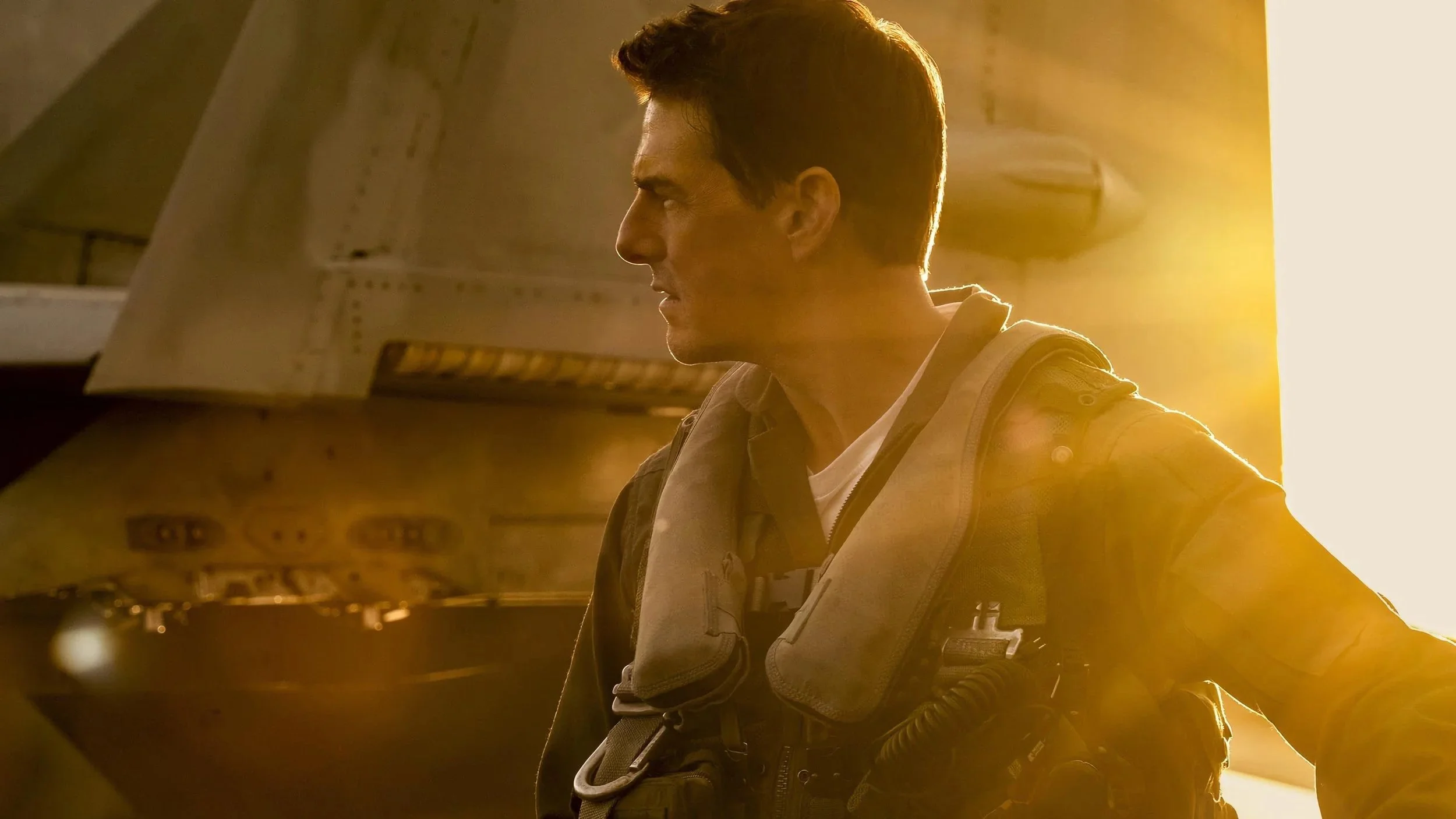
In the 2020s, Top Gun: Maverick (2022) reassured audiences with a traditional male American hero. But this was challenged with continued gender swaps in girlboss films like Mad Max: Furiosa (2024) and diverse casting, like the black superhero film Black Panther: Wakanda Forever (2022). Several big IP franchises have reached natural end points. Avatar: Fire and Ash (2025) felt like more of the same. Mission Impossible ended with Mission: Impossible - The Final Reckoning (2025). And, for context, James Bond came to an end with No Time to Die (2021). Has the superhero genre peaked, or will its winning streak continue? The box-office success of Spider-Man: Brand New Day (2026) has shown that the big IP franchise superhero movie is not yet dead.
‘Hokum’
A trip down memory lane.
With a relatively small budget of $5 million, the film succeeds in not looking like a budget production.
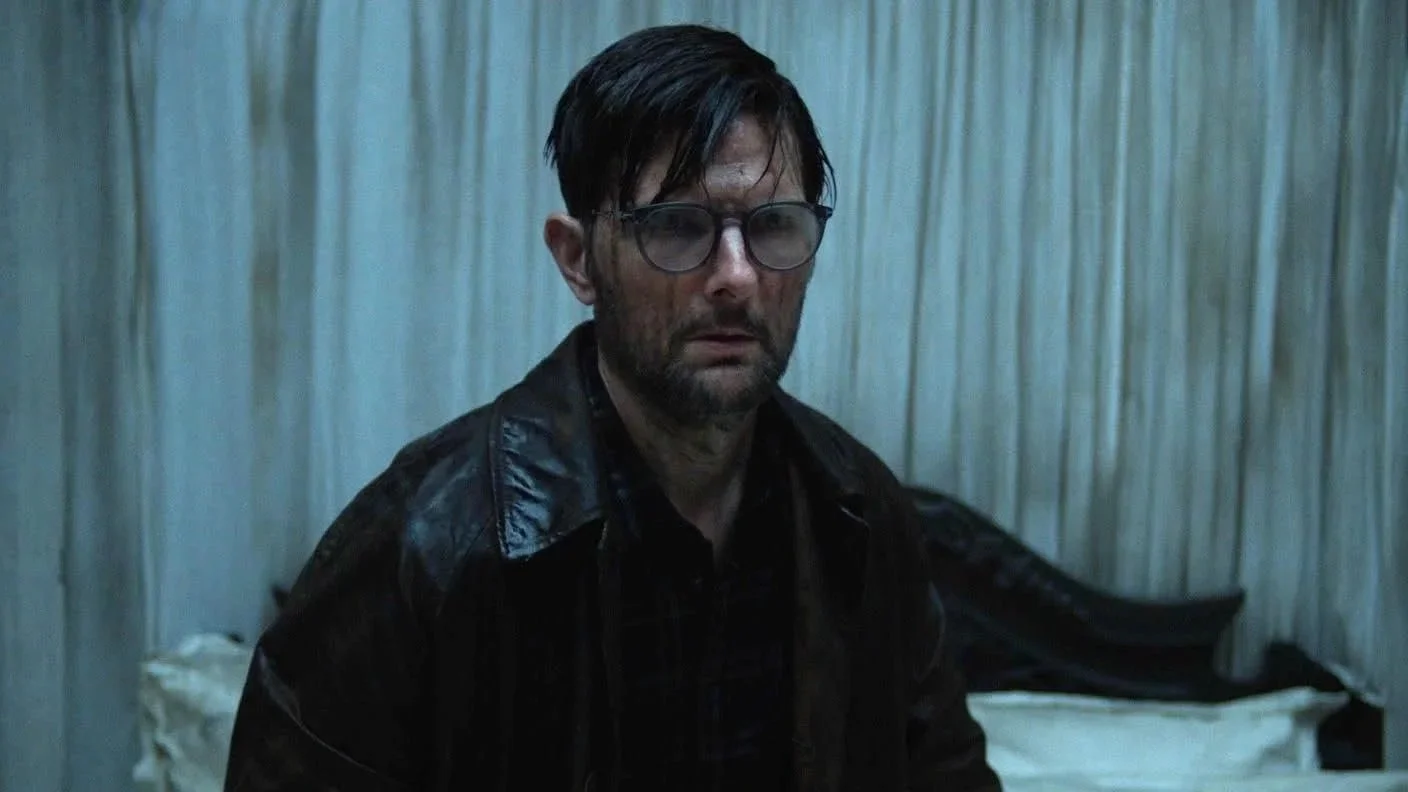
I was expecting Hokum to be a straightforward night in a haunted house kind of story, but there’s more to it than that. As a horror film, it delivers on those creepy moments and jump shocks. But, it’s also a ‘psychological story’ – a protagonist coming to terms with a childhood trauma.
The ‘psychological story’ is one where objective reality blurs with a subjective experience, fear and paranoia. What is real and what’s in the protagonist’s mind? Sometimes, the truth is revealed. In other stories, the blur of uncertainly is never resolved.
The danger of a big reveal is that it can be a big disappointment. On the other hand, leaving it open and uncertain can feel ‘lazy’ and non-committal. If the writer can’t be bothered to resolve the story properly – why should we care?
Stories are about change. The protagonist must change in order to make the story satisfying. Without that shift, the resolution is less likely to grab us. It’s more likely to leave us unsatisfied. Hokum’s psychological focus keeps us guessing, but it comes at a price. What it gains in nuance it loses in the certainty that Ohm Bauman has convincingly changed.

‘The End of Everything’
The mysteries of life and change.
The End of Everything (2026) is a literary science fiction novel by M John Harrison. It’s been longlisted for the 2026 Booker Prize.
In the story, Phillip Tennent lives by the sea in an impoverished future Britain. Communication with mainland Europe has broken down. New life forms exist in the sea. He ekes out a living by scavenging washed up objects and strange lifeforms from the sea shore.
The novel is a post-Brexit story, much like The Wall (2019) by John Lanchester, and Doggerland (2020) by Ben Smith. These three novels involve the sea, an isolated Britain, and a post-apocalyptic future.
The End of Everything is a work of literary science fiction. Where genre science fiction demands logical rules and a payoff with an explanation, literary science fiction keeps the world building relatively vague, focusing instead on the language and experience of the characters within that world.
In The End of Everything the narrative inhabits a dreamlike state. Part magical realism, part surreal metaphor. The lack of specificity enhances its mystery. It allows the story to operate as a cypher, a metaphor that’s open to interpretation. The world of the story operates in what feels like a surreal purgatory, a twilight world with sea dwelling lifeforms that have undergone a magical transformation, a rebirth even.
‘Lars Shrike Walks the Night’
A spaceman on a strange planet.
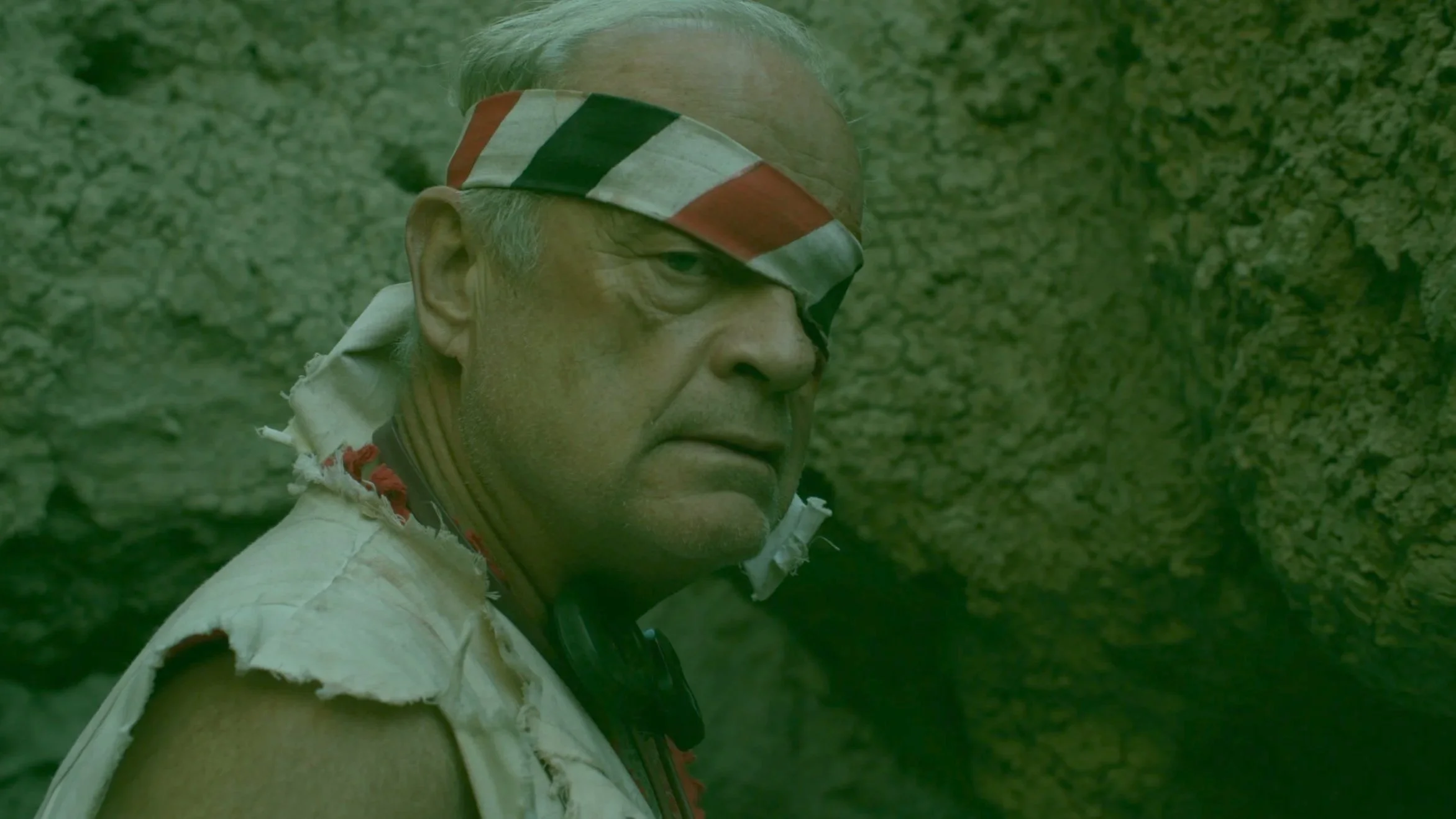
Somewhere in a distant galaxy… the protagonist of what looks like a 1970s era science fiction film wanders around the empty desert of a prison planet. He is desperate to escape but, suffering from amnesia, he must first work out who he is. Is he the product of a failed space experiment, a clone, or something worse?
Lars Shrike Walks the Night is Stranger Than Fiction meets K-PAX. The story explores the strange relationship between writers’ and their characters. The film examines reality, identity, and existence.
The ‘what is the nature of reality?’ question echoes films like Vanilla Sky, The Truman Show, Fight Club, Total Recall and Shutter Island. Although Lars Shrike Walks the Night is a very different kind of story, and with a very different budget, the protagonists of these stories ask the same two philosophical questions. Who am I? What is ‘real’ in my life?
So, who is Lars Shrike?
Kelsey Grammer plays Lars Shrike in this low budget science fiction film written and directed by Gary Walkow. I was expecting a classic redemptive story – a homeless amnesiac rediscovers his previous life. But, Lars Shrike Walks the Night takes a slightly different angle and does it with subversive humour.
‘Backrooms’
A nowhere life leads to a nowhere place.
Backrooms (2026) is a psychological horror. The film is directed by Kane Parsons, who previously worked on YouTube shorts. He has faithfully adapted his YouTube ‘backrooms’ videos for cinema.
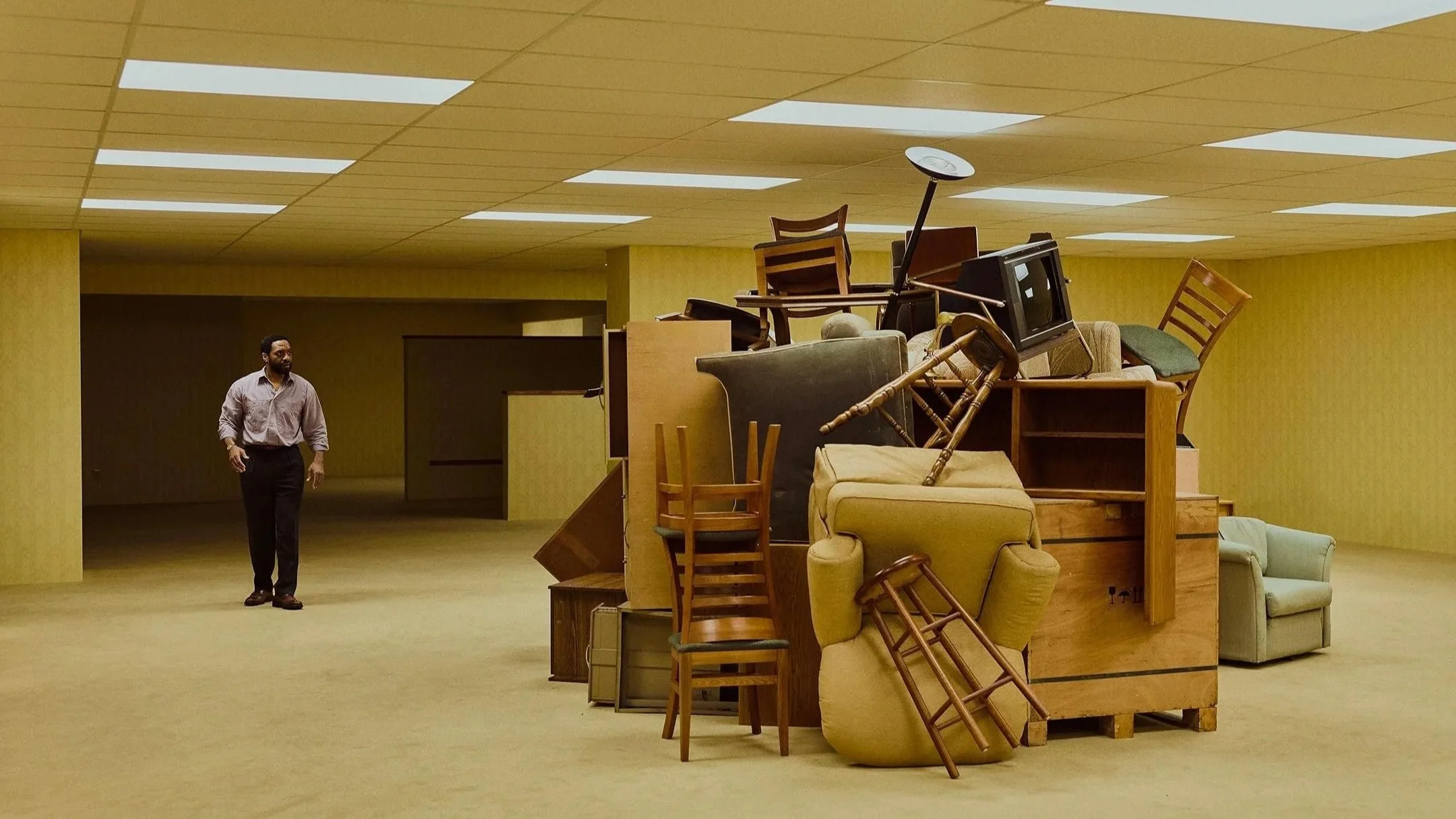
In Backrooms, Clark’s big dream is to be a successful architect, but his ambitions have led to failure, alcoholism, and the collapse of his long term relationship. Now he lives in the furniture store that he manages. When he discovers a portal to another world he takes a journey into a strange land. The journey (like Kurtz in Heart of Darkness) accelerates his mental decline.
The story takes place in 1990, in an analogue, pre-internet world. It uses the ‘liminal spaces’ YouTube meme, which is a kind of distorted parallel reality. This world is accessed through an invisible portal in a wall, in the basement of his furniture store.
What are the backrooms? The environment is a place of creepy surreal horror, a metaphor rather than a space for absolute science fiction. It’s more Alice’s Adventures in Wonderland than 2001. Visually, it’s part computer game glitch, part Freudian psycho-geography, and part abandoned space. There are echoes of the zone in Stalker and the area in Annihilation. ‘Found footage’ and effective sound design enhance the atmosphere.
What is the story? Clark’s nowhere life leads him to the discovery of the backrooms – a nowhere place. The backrooms are a classic nightmare experience, a labyrinth with a monster, or a haunted house with ghosts. This strange place is a test of his resilience and a visual metaphor for Clark’s mental disintegration or ‘miss-rememberings’.
The film picks up in the last twenty minutes with a mind blowing MC Escher moment and a monster that’s both frightening and comical. It’s a slow build story. The pace may alienate some people, but it pays off in the end.