Morality in Storytelling
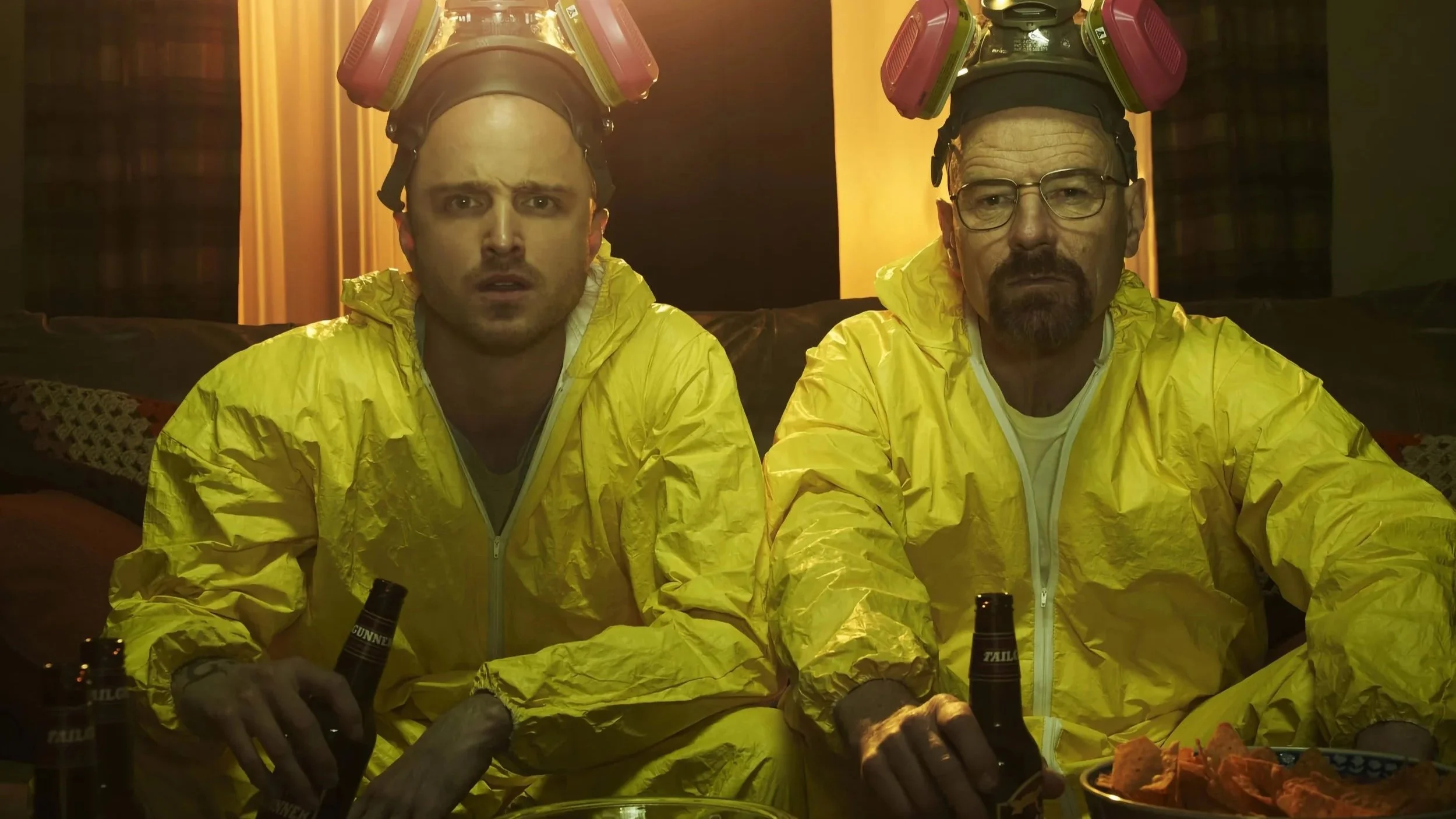
Stories operate within a moral framework. In the classical world, the hero was tested by overcoming a set of challenges and defeating a monster. In the Christian world, the hero was in a fight of good against evil. In the age of exploration, the hero explored new lands in the quest for discovery and treasure. In the social justice story, the hero fights injustice and repression. In the American story, the patriot defends American values and gets rich quick.
What moral framework do today’s protagonists fit into?
It’s probably an over-simplification to think that economic boom times produce lighthearted optimistic heroes and recessions create darker protagonists coping with fearful environments. In reality there’s a lot of variety at any one moment, which reflects the different genres and audience segments.
The actual trends are more about storytellers trying to replace stale and formulaic stories with something fresh and exciting. Audiences want emotionally exciting entertainment that meets their expectations while also bringing something ‘new’.
Stories change according to fashion and the cultural zeitgeist. They reflect the world at any one moment – the 1960s Counter Culture, Watergate, new technology, geo-political events, terrorism, eco-uncertainty, and so on. In more recent times there’s been an emphasis on feminist storytelling, anti-racism, and diverse casting.
Fictional characters operate in fictional worlds. Viewers give them greater moral leeway than they would to someone they meet in their own life. This is especially true when characters are fighting monsters, criminals, or protecting their family and community.
Characters function as metaphors of social commentary. Tony Montana’s experience in Scarface (1983) is a parable about greed and capitalism, the American ‘get rich quick’ dream turning into a nightmare. Characters can also have a fantasy element – competence and wish-fulfilment. These things make them cyphers to explore morality, grey zones, and ethical dilemas.
Popular characters like James Bond, and Don Draper in Mad Men (2007-2015) combine the allure of charisma, power and competence with negative trains such as arrogance and philandering behaviour. Walter White in Breaking Bad (2008-2013) transforms from being a meek teacher man into a criminal drug king. He goes from being downtrodden into someone who is shapes the world around him. But his newfound control comes with the cost. He’s immeshed in a violent criminal underworld.
Many of the current character ‘swaps’, ‘inversions’ and ‘switches’ in contemporary movies come from writers trying to do something different. When superhero villains are humanised into anti-heroes their morally grey behaviour can be viewed as a metaphor, a social commentary. The same thing happened in glamorisation of criminals in 1930s gangster movies. It reflects the morally flawed people who wield power in the news. Fiction is there to explore morally grey areas.
The question is, does the audience want to look in the mirror and see hopeful, idealistic heroes looking back at them… or do they want to see their own moral confusion and doubt?